
Best Heat Press for DTF Printing: A Buyer's Guide by Budget and Volume
Last Updated: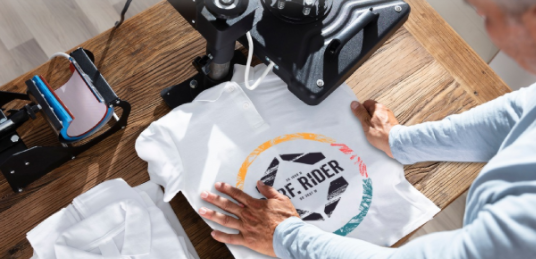
A DTF printer only gets you halfway there. Without the right heat press, even a perfectly printed transfer won't bond properly to the garment, and a lot of first-time buyers underestimate how much the press matters. Here's how to choose one without overspending or under-buying for your production needs. As other heat press buying
Why the Heat Press Matters as Much as the Printer
DTF transfers are activated with a specific combination of heat, pressure, and time. Too little of any one factor and the transfer peels or cracks after a few washes; too much and you can scorch fabric or over-cure the adhesive. A press with inconsistent heat distribution or unreliable pressure will undermine even the best transfer, which is why it's worth treating this as a real purchasing decision rather than an afterthought.
Manual vs. Swing-Away vs. Auto-Open
- Manual clamshell presses are the cheapest option and fine for very low volume, but they put you closer to the heated platen, which some new users find intimidating.
- Swing-away presses move the top platen fully away from the lower platen, giving you a clear, safe view of the garment when placing a transfer. This is the most popular style for small shops.
- Auto-open presses release automatically once the timer ends, reducing the risk of over-pressing and freeing up your hands, but they cost more.
Matching a Press to Your Production Volume
If you're making fewer than 50 shirts a day, a manual or swing-away press in the 15"x15" range is usually enough, and it keeps your upfront cost low while you figure out if this is a hobby or a business. Once you're regularly running higher volumes, a larger platen (16"x20") or a double-station press cuts your time per shirt significantly, which starts to matter a lot once labor is your biggest cost.
Don't Ignore These Details
- Platen size vs. your transfer size. A platen that's too small for your largest designs forces you to press in multiple stages, increasing the risk of uneven results.
- Even heat distribution. Cheaper presses sometimes run hotter in the center than at the edges, which shows up as inconsistent adhesion on larger prints.
- Digital temperature and timer controls. Analog dials are harder to keep consistent across a full day of pressing. Our heat press settings guide covers exact time,
Where to Shop
DTG Pro carries a full range of heat presses across these categories, from an entry-level 15"x15" crafting press around $300 up to industrial double-station models for high-volume shops, alongside name brands like Stahls Hotronix, Insta, and GeoKnight. If you already own (or are about to buy) a DTF printer, it's worth browsing DTG Pro's heat press lineup and picking a press sized to match your actual production volume rather than guessing.
Bottom Line
Your printer gets all the attention, but your heat press is what actually determines whether your transfers survive the wash. Buy based on your real volume and platen size needs, not just price, and you'll avoid having to replace it within the first year.
Need replacement printer ink cartridges? Shop printer ink cartridges at Castle Ink. Compatible, up to 70% less than OEM, and shipped the same day when you order by 4 PM ET.
An independent 0–100 score for every printer, refreshed monthly from thousands of owner reviews and expert tests — plus what the ink or toner actually costs to run. See this month's Top 10 inkjet and laser rankings, or use the PrinterIQ™ finder.
See the CastleScore rankings →